
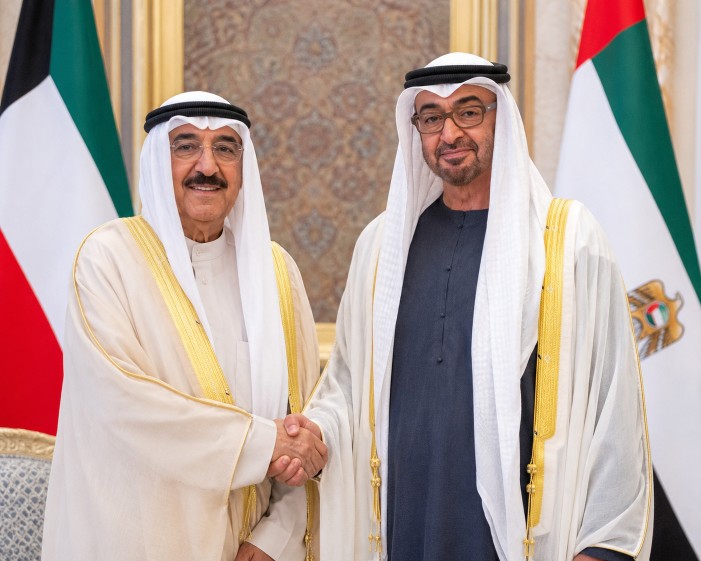
During a significant diplomatic visit to Kuwait, Sheikh Mohamed bin Zayed Al Nahyan emphasized the necessity for enhanced peace and stability across the region. This visit came in the immediate aftermath of missile and drone attacks on Kuwait, allegedly launched by Iran. The discussions at Bayan Palace included Sheikh Meshal Al-Ahmad Al-Jaber Al-Sabah and focused on reinforcing regional security and fostering bilateral cooperation. Both leaders expressed a shared commitment to achieving lasting peace and explored avenues for expanding economic and development partnerships.
The timing of the visit was crucial, as it coincided with Kuwait’s interception of a series of ballistic missiles, a cruise missile, and several drones, all reportedly originating from Iran. The interception efforts by Kuwait’s air defenses were successful, although debris from the intercepted threats caused injuries to one person and inflicted material damage in several areas. The Kuwaiti government responded with strong condemnation, labeling the attacks as a breach of the nation’s sovereignty and a threat to the broader security of the region. Officials asserted Kuwait’s right to take necessary actions to defend its territory under international law.
In a show of regional solidarity, the United Arab Emirates’ Ministry of Foreign Affairs also condemned the attacks on Kuwait and Bahrain. The UAE reaffirmed its commitment to supporting the security and stability of both neighboring nations. This stance underscores the importance of regional unity in the face of threats to peace and stability.
The high-level talks in Kuwait highlighted the ongoing efforts by Gulf leaders to address security challenges while pursuing opportunities for economic cooperation. The discussions reflect a broader regional strategy aimed at mitigating conflict and enhancing collaboration among Gulf nations. As the situation evolves, these diplomatic engagements underscore the importance of dialogue and partnership in maintaining regional stability.