
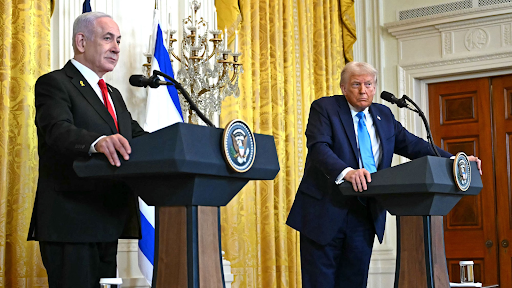
The 20-point Gaza peace plan is imbued with President Donald Trump’s personal brand of high-stakes, ultimatum-driven dealmaking. Framing the conflict as a negotiation that has lasted “3000 years,” Trump has positioned himself as the ultimate closer, uniquely capable of settling a war that has stumped generations of diplomats.
His approach eschews lengthy, incremental negotiations in favor of a single, dramatic move. By pre-negotiating with Israel, Arab states, and other key players, he successfully isolated Hamas before presenting the final terms. This strategy is designed to leave the other party with a simple binary choice: accept the deal or face overwhelming consequences.
The language used is classic Trump. Warnings of a “very sad end” and a “very tough” outcome are coupled with boasts of having “settled the biggest war.” This combination of threats and self-congratulation is a hallmark of his negotiating style, aimed at projecting strength and leaving no doubt about who controls the process.
The plan itself reflects a transactional worldview: Hamas gives up its arms and power (its key assets), and in return, Gaza receives peace, aid, and reconstruction (the key needs). The release of hostages and prisoners serves as the immediate currency of the exchange.
Whether this “dealmaker” approach can solve a conflict so deeply rooted in history, identity, and religion remains to be seen. But Trump has put his personal stamp on the process, and the outcome will be seen as a direct reflection of his high-risk, high-reward brand of foreign policy.