
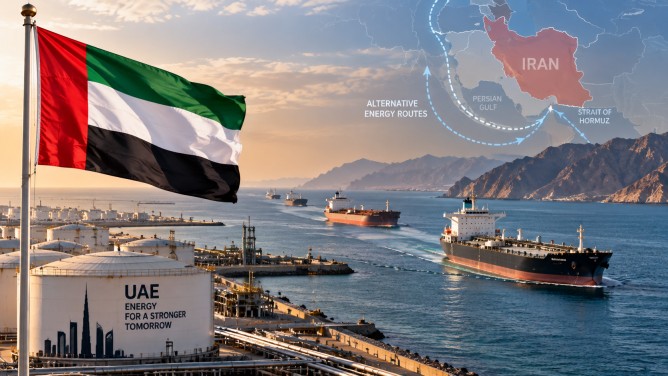
The United Arab Emirates is taking significant steps to diversify its energy export routes and trade pathways, aiming to lessen its reliance on the Strait of Hormuz amid ongoing tensions between the United States and Iran. Anwar Gargash, a presidential adviser for the UAE, emphasized that the nation will not allow its energy exports and economic activities to be “held hostage” by these conflicts. As part of this strategy, the UAE is enhancing its port capacity on the eastern coast and developing additional infrastructure such as pipelines, railways, and alternative trade corridors.
While Gargash acknowledged the potential for improved relations with Iran, he cautioned that rebuilding trust could be a lengthy process, particularly following recent attacks. He underscored the necessity for stronger coordination among Gulf Arab states to address regional security threats effectively. This sentiment was echoed by Qatar, where Foreign Ministry spokesperson Majed al-Ansari advocated for increased self-reliance among Gulf countries. He pointed out that although strategic ties with the United States remain vital, they should not be the sole foundation for the region’s security.
The strategic Strait of Hormuz continues to be a focal point of concern, given its role in handling a significant portion of global energy supplies. Disruptions in this vital waterway have contributed to rising energy prices and heightened worries about the global economic outlook. Gargash stressed that freedom of navigation should not be leveraged as a bargaining chip and called for credible assurances to shield Gulf nations from future attacks.
These developments highlight a broader regional effort to fortify economic and security frameworks independently of longstanding alliances, reflecting a shift towards more resilient and self-sufficient strategies. As Gulf nations navigate these complexities, the emphasis on internal cooperation and infrastructure expansion marks a pivotal moment in their approach to managing geopolitical challenges and securing their economic futures.